
As financial instability looms, Trump’s crypto ventures are poised to play a significant role in the economy’s potential downturn. With concerns over crypto corruption and economic policy, we need to closely examine how these ventures could influence a financial collapse.
The Impact of Trump’s Crypto Ventures on the Economy
Trump’s approach to crypto investments is not just about personal wealth; it influences broader market dynamics. By embedding his interests into cryptocurrency, he may sway investor sentiment and affect market stability. Speculation around his ventures may drive up short-term gains, but they simultaneously introduce vulnerabilities. Financial markets thrive on confidence, and any negative news related to Trump’s crypto dealings could trigger panic selling. For instance, as various stakeholders discuss the risks associated with Trump’s business connections in the crypto world, it’s clear that the intersection of politics and finance could yield dangerous outcomes.
Moreover, political decisions regarding regulations and policies on cryptocurrency could influence investor confidence significantly. The instinctive reaction to protect capital in unstable times may lead investors to exit the market, compounding volatility. Thus, Trump’s crypto ventures aren’t merely personal endeavors but rather potential catalysts for broader market fluctuations.
Current Economic Climate and Its Relevance
The present economic climate poses challenges. Critics highlight that numerous sectors, especially crypto, face over-leverage, which could precipitate a financial crisis. A recent analysis indicates that various markets are at risk, suggesting a likely crisis by 2026 due to their inflated valuations. The discussion also extends to key figures like Kevin Warsh, who express concerns on how Federal Reserve actions could inadvertently fuel this impending financial crisis.
As valuations soar, investors must remain wary of potential corrections. The total crypto market capitalization, having dropped about 40% from its peak, reflects the underlying unease among investors. Moreover, the ongoing debates in Washington about economic policies against crypto underscore the high stakes involved, particularly with regulations that could either stabilize or severely disrupt the market.
Key Risks Within the Crypto Sphere
Trump’s ventures in crypto introduce a range of risks that could further shake market confidence. For instance, regulatory uncertainty remains a significant concern. As the market grapples with manipulation fears, the question arises as to who safeguards investor interests. Potential market manipulation could exacerbate volatility, leading to sharp downturns. As observed historically, political interventions in the financial arena often produce unpredictable outcomes.
Case studies abound, showing that financial markets are sensitive to government actions, with unexpected regulatory changes often resulting in steep market corrections. The behavior of such influenced markets could recreate prior patterns, further driving risk factors.
The Role of Regulatory Frameworks
Despite the potential for innovation that crypto offers, the necessity for robust regulations in the market cannot be overstated. Trump’s policies, shaped by his personal investments and interests, may lead to a deregulated environment that favors corporate entities over consumer protection. As the crypto sphere lacks comprehensive oversight, the call for balancing innovation with regulation has never been more relevant.
To avoid scenarios akin to previous financial crises, stakeholders need to advocate for transparent regulations that ensure market stability while fostering growth. This observation reinforces the crucial need for regulatory frameworks that can withstand both technological advancement and market upheaval.
Historical Precedents of Financial Collapse
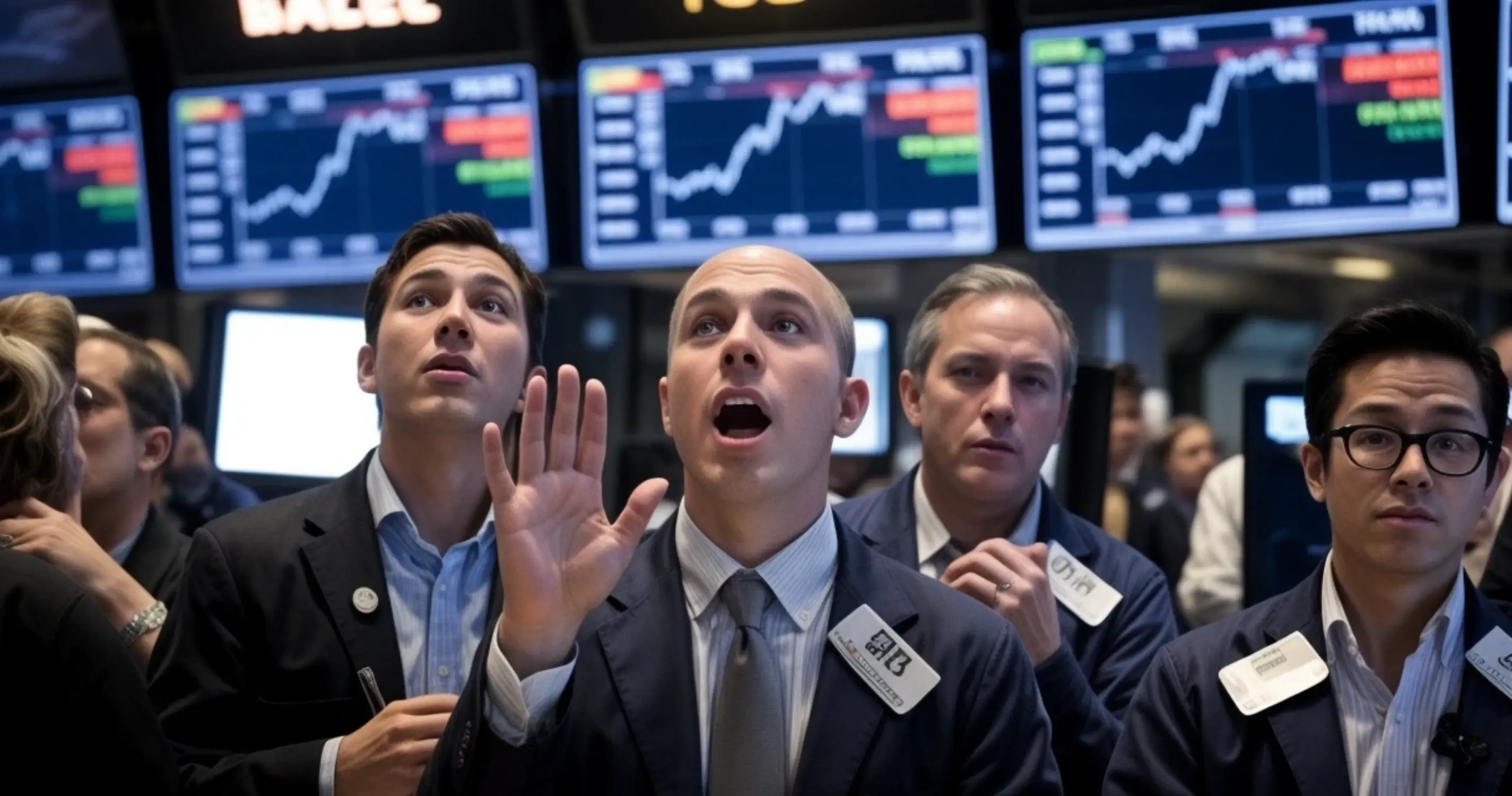
History provides valuable insights into potential future outcomes. Many previous financial crises were linked to unregulated markets, revealing patterns that could predict future behaviors in light of current crypto dynamics. For instance, the dot-com bubble and the 2008 housing crisis share common threads of over-speculation and regulatory blindness.
Lessons learned from these historical precedents emphasize the importance of vigilance in the crypto landscape. Investors must recognize how quickly sentiments can shift, leading to drastic repercussions in insecure environments. Understanding these patterns can serve as a heuristic for navigating today’s turbulent economic landscape.
Actionable Steps for Investors
To navigate potential market volatility, investors should adopt strategic approaches focused on risk management. It’s crucial to emphasize diversification across not only crypto assets but also traditional investments, reducing reliance on any single sector. Staying informed about both crypto developments and political dynamics is essential in these uncertain times.
Additionally, the importance of maintaining a clear strategy in times of uncertainty cannot be overstated. Active monitoring of market signals and being prepared for rapid changes will empower investors to make informed decisions while avoiding potential pitfalls.
Looking Ahead: The Future of Crypto under Trump’s Leadership
As Trump’s economic policies continue to unfold, speculation will abound regarding the trajectory of crypto markets. With the intertwining of his strategies and personal interests, the foreseeable future may witness a volatile crypto landscape shaped by political influences. Analysts will be keen to observe how his leadership may either stabilize or destabilize the crypto world.
Investors should remain vigilant and proactive, keeping abreast of market trends, regulatory shifts, and global economic indicators. Understanding the broader implications of Trump’s economic policy on cryptocurrency will be crucial in making informed investment decisions moving forward.




More Stories
The Hidden Truth About Iran’s Billion-Dollar Crypto Economy
The Hidden Truth About Cryptocurrency’s Role in Combating Financial Scams in Russia
Why Iran’s $7.8 Billion Crypto Shift Is Changing Global Sanctions