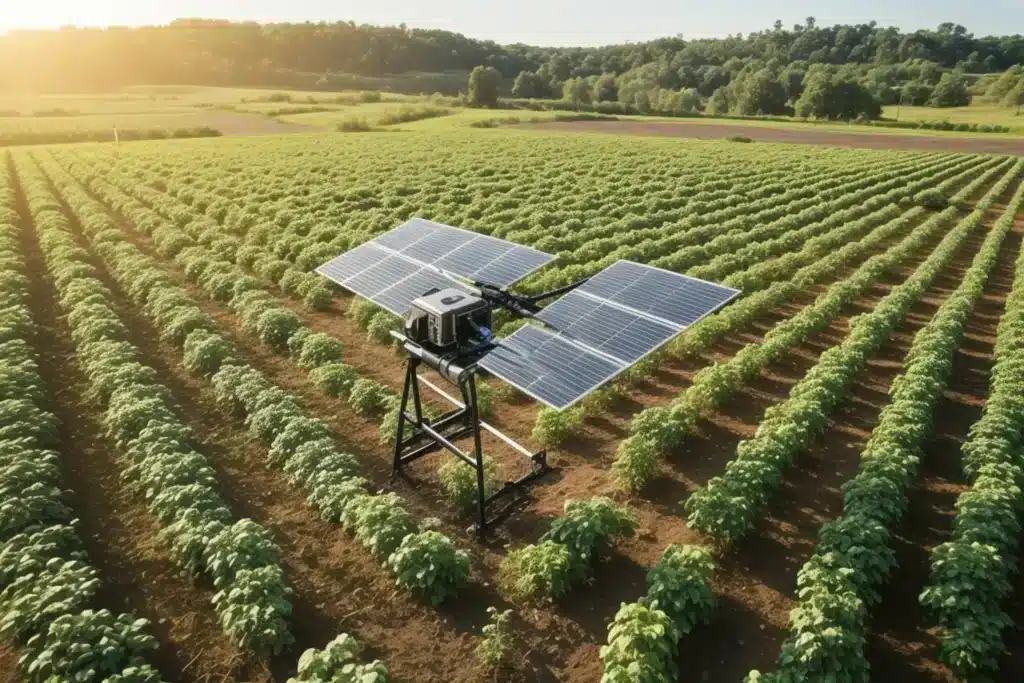
As the agricultural sector faces increasing challenges from climate change and economic instability, agrivoltaics emerges as a promising solution. This innovative technique of integrating solar energy with sustainable farming not only boosts crop yields but also enhances the economic viability for farmers while promoting clean energy.
Importance of Agrivoltaics in Modern Agriculture
Agrivoltaics plays a crucial role in addressing the pressing challenges faced by farmers today. With climate change affecting weather patterns and traditional farming practices under scrutiny for environmental impacts, the adoption of solar panels on farmland offers a dual benefit. Farmers not only harness renewable energy but also create a microclimate that can protect crops from extreme weather. According to recent studies, this method can significantly increase crop yields while improving soil health through passive shading.
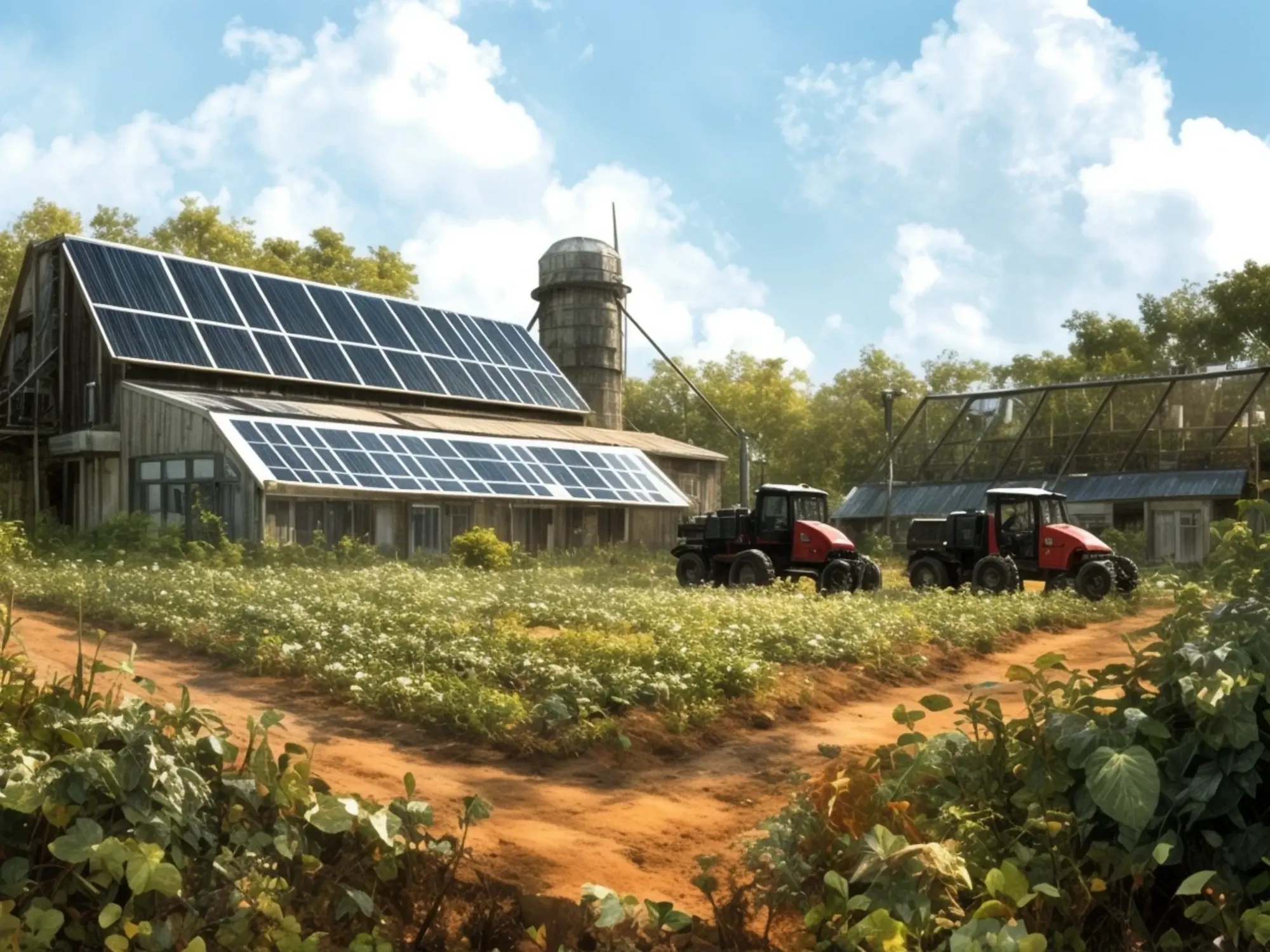
Farmers around the world have successfully implemented agrivoltaic systems. For instance, some in California are now combining solar energy production with the cultivation of high-value crops such as tomatoes and peppers. The integration of solar panels helps retain soil moisture, leading to healthier plants. By participating in agrivoltaics, these farmers enhance both economic and environmental sustainability, positioning themselves favorably in an increasingly competitive market.
Current Implementation Trends in Farmers’ Fields
The landscape of agriculture is shifting as solar panels become a common sight in fields. The adoption rate of agrivoltaic systems is rising, driven by both necessity and opportunity. Regions like the American Midwest and parts of Europe are at the forefront of this trend. They not only embrace solar technology but also explore creative practices, such as optimizing panel placement to maximize both energy production and crops’ sun exposure.
Investment in agrivoltaics is surging; stakeholders from governmental bodies to private investors recognize its potential. Farmers are exploring partnerships with solar energy companies, leading to a growing number of pilots and large-scale projects. These initiatives are not simply isolated tests; they signal a broader shift towards sustainable farming practices that align economic and environmental goals.
Economic Impact of Solar Energy on Farming
The financial implications of integrating solar energy through agrivoltaics are significant. Farmers who adopt this technology can expect to see a notable increase in their revenue streams. In many cases, the income generated from energy sales can match or even surpass traditional farming income. For example, those utilizing agrivoltaic setups are often able to mitigate financial risks associated with conventional agriculture, as they diversify their income sources.
Moreover, studies suggest that farms utilizing agrivoltaics demonstrate better long-term economic sustainability. According to agronomists, the combination of crop yields and energy production can lead to robust financial resilience. This approach not only fosters a new revenue model for farmers but also reduces their dependency on external monetary support and traditional financing methods.
Soil Health and Crop Yield Enhancements
Agrivoltaics does more than just generate energy; it positively impacts soil health and crop yields. By providing shade, solar panels can help moderate soil temperatures, reduce evaporation, and minimize weed growth, creating a conducive environment for healthy root systems. Research indicates that shaded crops often require less water and exhibit increased growth rates, leading to higher overall yields.
The benefits are not merely anecdotal; various studies underscore the yield enhancements associated with this innovative practice. For instance, findings show that shading from solar panels can improve photosynthesis efficiency in certain crops. This ability to enhance productivity while simultaneously generating clean energy illustrates the powerful synergy of agrivoltaics in modern agriculture.
Challenges to Widespread Adoption
Despite the benefits of agrivoltaics, several challenges hinder its widespread adoption. Regulatory barriers continue to pose significant hurdles, as many jurisdictions are yet to establish frameworks that accommodate these dual-use practices. Farmers also face a steep learning curve regarding solar technology, which necessitates educational initiatives to highlight the benefits and operational practices involved in agrivoltaics.
Moreover, achieving farmer participation requires addressing financial concerns and enhancing awareness of long-term gains. Collaborations between government agencies, educational institutions, and private sectors could provide solutions to these challenges. By fostering a better understanding of agrivoltaics, the agricultural industry can accelerate its transition toward a more sustainable future.
Future Prospects for Farmers Embracing Solar Energy
As we look ahead, the future of agrivoltaics in farming appears bright. Innovations in solar technology are constantly emerging, and researchers are exploring new ways to optimize crop production alongside energy generation. Predictions suggest that agrivoltaics will shape sustainable farming profoundly, offering solutions to food security amidst climate change.
Farmers are called to engage with this burgeoning trend actively. As more data and success stories emerge, the mainstream agricultural community may recognize agrivoltaics as an integral practice rather than a niche curiosity. This transition towards sustainable farming practices not only supports farmers economically but also contributes to a cleaner environment for future generations.




More Stories
Why AI Is About to Change Everything in Cryptocurrency Investments
The Hidden Truth About Crypto Security Trends After Major Oracle Hacks
Why Kevin Warsh’s Nomination Could Disrupt U.S. Tariffs and Crypto Markets