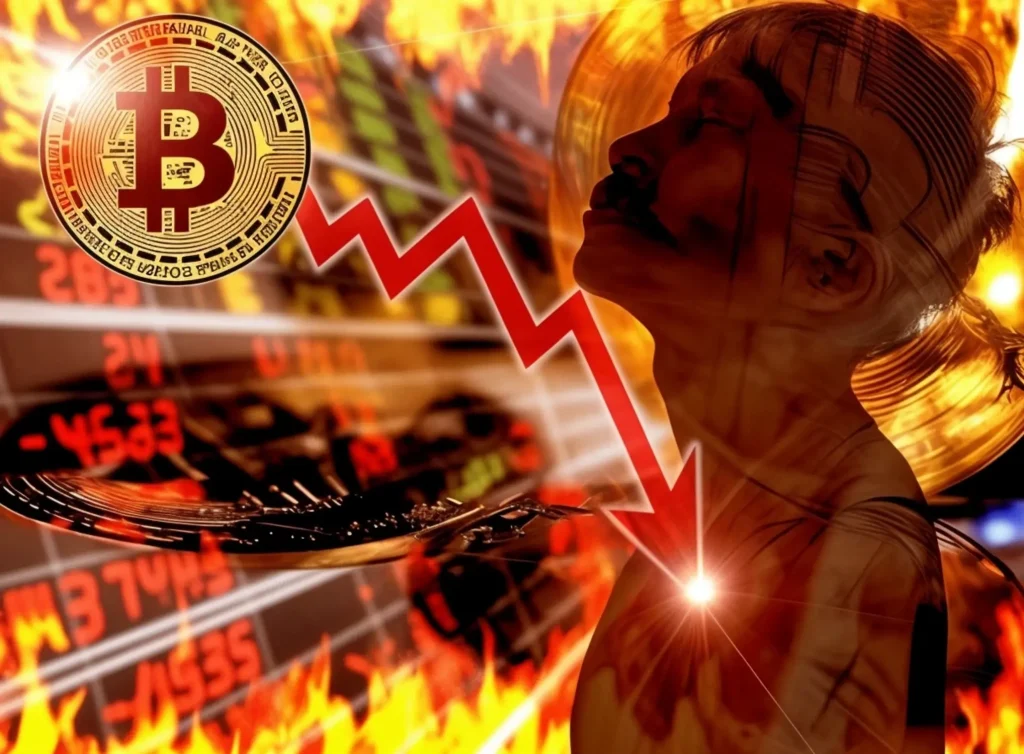
Leveraged trading on decentralized exchanges represents both opportunity and risk for today’s crypto traders. Understanding this landscape can empower investors to navigate the complexities of crypto derivatives effectively and optimize their trading strategies.
The Untold Risks of Leveraged Trading
Leveraged trading can amplify profits, but it often leads to significant losses if not managed carefully. Many traders underestimate the potential downsides of using leverage. Common pitfalls include over-leveraging, which can deplete margins faster than anticipated. Traders may find themselves unable to sustain their positions during volatile market swings, leading to liquidation of their assets. Consequently, it’s crucial to assess one’s risk tolerance before diving into leveraged positions.
The psychological aspects of trading on margin are profound. When using leverage, emotions like fear and greed can cloud judgment. A trader who experiences rapid gains can become reckless, increasing their exposure beyond their risk threshold. Conversely, sustained losses can induce panic, leading to hasty exit decisions. The confluence of these factors has resulted in numerous real-life cases of financial ruin due to leverage mismanagement. For example, numerous stories from crypto forums highlight traders who lost significant investments overnight because they failed to set appropriate stop-loss orders and overestimated their trading acumen, as discussed in a notable analysis.
Why Decentralized Exchanges Matter Right Now
In recent years, decentralized exchanges (DEXs) have surged in popularity, providing a different avenue for trading compared to traditional centralized platforms. Key to their appeal is the reduced reliance on third parties, allowing for peer-to-peer transactions. This shift has significant implications for traders. By eliminating intermediaries, DEXs often provide lower fees and enhanced privacy for users.
Moreover, the rise of DEXs democratizes access to global markets. Anyone with an internet connection can trade cryptocurrencies without the need for lengthy registration processes often associated with centralized exchanges. According to recent industry insights, DEXs accounted for a growing share of crypto trading volume, underlining their significance in today’s trading environment. As noted in industry reports, these platforms are seen as a vital part of the market’s evolution, promoting broader accessibility and participation in leveraged trading.
Current Trends in Crypto Derivatives Market
The crypto derivatives market is evolving rapidly, fueled by innovations and changing investor preferences. Recent developments reveal a trend toward sophisticated products that pose both risks and rewards. Instruments such as perpetual contracts and options have gained ground as more traders seek ways to profit from market fluctuations without holding assets outright.
Data indicates that trading volumes in crypto derivatives have skyrocketed, driven by interest from both retail and institutional investors. Institutions are becoming increasingly active in this space, with platforms enabling them to execute trades with leverage efficiently. This shift demonstrates a maturation of the market, as participants look for innovative strategies to manage risk and enhance returns, reinforcing the need for careful evaluation of trading decisions as highlighted in various sources, including market analyses.
Key Factors Influencing Leveraged Trading Success
Successful leveraged trading relies on several critical factors. One of the foundational elements is risk management. Traders should use tools like stop-loss orders to minimize potential losses and prevent emotional trading decisions. Position sizing is another essential strategy. Adequately sizing positions relative to account balance helps to absorb shocks from sudden market movements without catastrophic losses.
Specific tools also enhance the success of leveraged trades. Many traders utilize advanced analytics tools that provide insights into market behavior, aiding in forecasting price movements. Moreover, maintaining a disciplined trading strategy can differentiate successful traders from those who fail. By focusing on preparation and education, traders can equip themselves with the knowledge necessary to make informed decisions in volatile markets.
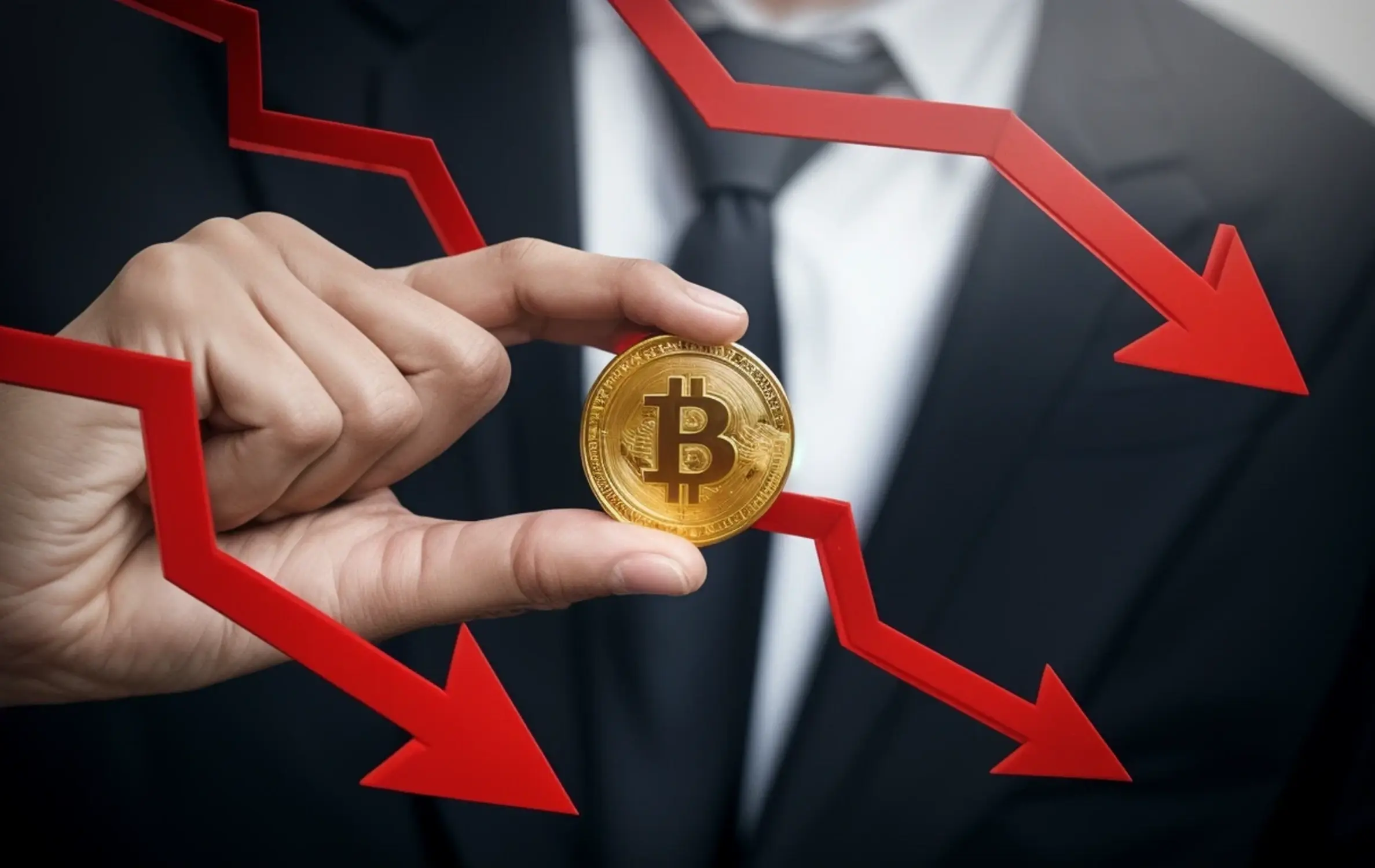
Navigating Market Volatility with Confidence
Handling volatility when trading with leverage is crucial. Market fluctuations often lead to unexpected spikes and drops in prices. To mitigate risks, traders must employ strategic measures. One such measure is placing stop-loss orders, which can automatically exit a position at a predetermined loss threshold, thereby shielding traders from deeper financial damage during downturns.
Another approach involves studying market behavior patterns, particularly during high volatility periods. Understanding how major events or news can impact prices allows traders to anticipate and react swiftly to market changes. During these moments, adopting a cautious approach—reassessing leverage ratios and modifying strategies—can provide greater control over trades and overall risk management.
Actionable Steps for Aspiring Traders
For those interested in beginning leveraged trading, several practical steps can help ensure a safe entry into this complex landscape. Firstly, aspiring traders should gain a comprehensive understanding of leverage, including how to calculate position sizes and manage risks effectively. This foundational education can be found through various online resources and trading courses tailored for beginners.
Additionally, engaging with community forums and networking with experienced traders can provide invaluable insights. These interactions can foster learning opportunities, enabling new traders to avoid common pitfalls. Overall, the path to successful leveraged trading hinges on preparation, education, and thoughtful engagement within the trading community.


More Stories
How Traders Are Using Bitcoin to Navigate Current Geopolitical Challenges
How Investors Are Using Crypto Trends to Navigate Trade Uncertainty
The Hidden Truth About Bitcoin’s Five-Month Decline and Its Causes