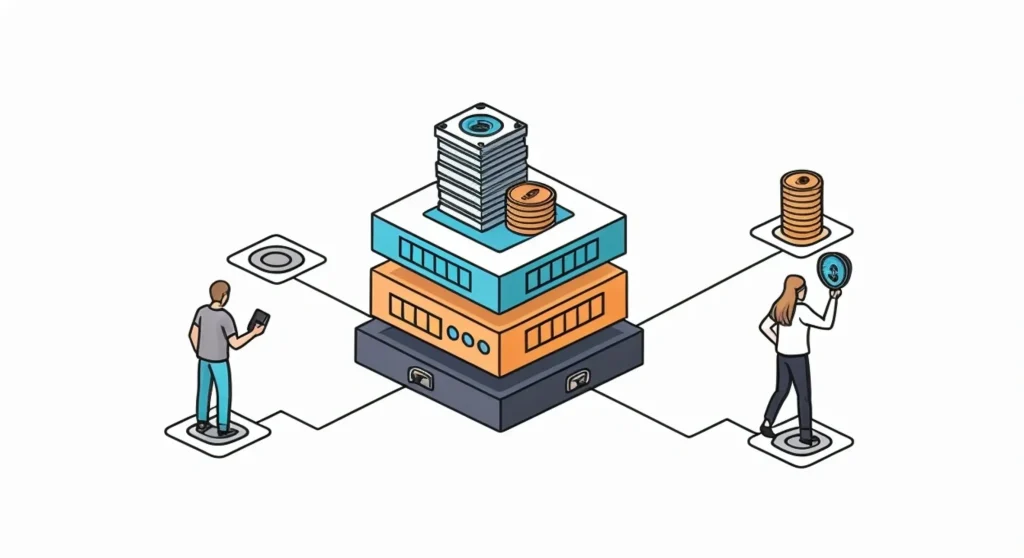
The OP Stack is set to revolutionize the blockchain landscape, offering new pathways for interoperability and collaboration across different platforms. As digital finance evolves, understanding these changes will be crucial for anyone engaged in the blockchain space.
The Significance of Blockchain Transformation
Blockchain technology is undergoing a significant evolution that influences various sectors globally. This transformation is not merely technical; it involves a paradigm shift in how financial systems operate. Pivotal to this evolution is the need for interoperability among diverse blockchain networks. Interoperability can be viewed as the glue that holds various platforms together, enabling seamless transactions and data sharing. For instance, according to a study on blockchain innovations, effective interoperability will facilitate better communication and collaboration between different blockchains, which is essential for fostering a robust digital finance ecosystem.
The OP Stack plays a vital role in enhancing such interoperability. By streamlining processes, it empowers users and developers to create more integrated platforms, thereby accelerating the development of decentralized applications and services. Implementing the OP Stack can significantly enhance user experience by simplifying user interactions across different blockchain environments.
Current Trends in Blockchain Interoperability
With the rise of the OP Stack, the concept of Superchain is gaining traction. Superchains are proposed to enhance the connectivity of blockchain networks, allowing them to operate as a coherent entity rather than isolated silos. This interconnectedness will significantly impact how blockchain platforms are developed and function in harmony with one another. As industry experts note, systems that embrace interoperability are poised for tremendous growth, enabling diverse applications ranging from financial transactions to supply chain management.
Additionally, collaborative environments foster growth in digital finance applications. By bridging gaps between platforms, the OP Stack can enable financial services to leverage insights and functionalities from various blockchain ecosystems. Ultimately, these developments promise to enhance efficiency and user value in the digital finance sphere.
Innovations Shaping the Future of Digital Finance
Several major innovations are influencing how payments and smart contract platforms operate today. The advent of Decentralized Finance (DeFi) has significantly altered traditional financial paradigms, allowing users to bypass intermediaries and engage in transactions directly on the blockchain. According to recent analyses, DeFi is recognized as a potential game-changer, often referred to as crypto’s “killer use case.”
Moreover, the intersection of artificial intelligence and blockchain technologies is shaping future innovations. For instance, as AI algorithms become more refined, they can enhance the functionalities of blockchain platforms, providing predictive analytics for smart contracts and improving security mechanisms. Other advancements, including blockchain accelerators, are making it easier for developers to create robust decentralized applications quickly.

Implications of the OP Stack on Blockchain Landscape
The OP Stack is more than just a technological framework; it represents a shift towards a more reticent digital finance landscape. Its implications for both users and developers are profound, revolutionizing traditional financial models and altering the landscape of digital finance as we know it. By adopting the OP Stack, financial institutions can expect to reduce costs and enhance operational efficiency through blockchain integration.
Notable case studies exemplify the success of OP Stack implementations. For example, various projects have reported improved transaction speeds and reduced gas fees, reinforcing the viability of adoption in mainstream finance. These shifts signal a broader trend towards blockchain adoption as a standard practice within the financial sector, laying the groundwork for future innovations.
Challenges Facing Blockchain Adoption
Despite its potential, the adoption of blockchain technologies faces several challenges. Legal and regulatory hurdles pose significant barriers to widespread acceptance. Governments and regulatory bodies around the world are still grappling with how to classify and regulate digital assets, which can create a complex landscape for developers and users alike.
Furthermore, technical barriers exist regarding the seamless interoperability of blockchain systems. While the OP Stack aims to mitigate some of these issues, understanding blockchain terminologies and technologies remains critical for stakeholders. A shared knowledge base is vital to promote broader understanding and integration within this transformative field.
Actionable Steps to Embrace Blockchain Innovations
As organizations look to adopt blockchain solutions, they should consider several actionable steps to enhance their systems. Firstly, integrating blockchain solutions into existing infrastructures can provide organizations with a competitive edge, streamlining processes and improving user experiences. Collaboration with blockchain projects is another vital aspect, as it enhances interoperability and encourages innovation throughout the ecosystem.
Organizations should also prioritize continuous learning about blockchain developments. This is crucial in a landscape that evolves rapidly, ensuring that stakeholders remain informed and ready to adapt to new technologies and trends. By taking these steps, companies can not only keep pace with the evolution of digital finance but also become leaders in this revolutionary space.



More Stories
What No One Tells You About Tether’s Future with AI and DeFi
The Hidden Truth About Stablecoins and Financial Stability
How Developers Are Using ETHDenver to Redefine Stablecoin Futures