
The recent sentencing of Do Kwon for his role in a monumental crypto fraud highlights critical challenges in the regulatory environment surrounding cryptocurrencies, particularly stablecoins. The implications of this case will resonate throughout the entire crypto market, signaling a shift in how regulatory bodies approach oversight.
The Impact of Do Kwon’s Sentencing on Future Regulations
Examining the legal ramifications of Do Kwon’s sentencing reveals its potential to set a new precedent in crypto oversight. Kwon, sentenced to 15 years in prison for orchestrating a $40 billion fraud, faced a judge who described his actions as a generational scale offense that caused incalculable harm to individual lives, marking a pivotal moment in the realm of cryptocurrency regulation. This case underscores the necessity for stringent regulations aimed at protecting investors in the volatile crypto market.
Experts argue that Kwon’s case may spark a ripple effect among other cryptocurrency creators and executives. As regulatory scrutiny intensifies, individuals involved in the crypto space may either adhere to stricter compliance measures or choose to withdraw from the market altogether. This shift could influence the operational dynamics of the crypto ecosystem, compelling companies to reassess their governance structures to align with emerging legal standards. The need for a robust regulatory framework is clear as stakeholders seek safety and assurance in a historically turbulent arena.
Understanding the Context of Crypto Fraud
To grasp the significance of Kwon’s landmark sentencing, it is essential to understand what constitutes crypto fraud in today’s market. Crypto fraud typically involves misleading practices that deceive investors about the viability or safety of their investments, often resulting in financial losses and distrust towards the sector. The collapse of TerraUSD, a stablecoin tied to Kwon’s Terraform Labs, exemplifies such fraud, where the illusion of stability crumbled due to unsustainable practices.
Historically, the crypto landscape has seen high-profile fraud cases, most notably the downfall of FTX under Sam Bankman-Fried, which serves as a grim reminder of the risks faced by investors. The psychological and financial toll on victims in both cases is profound—many were left financially devastated, emphasizing the need for effective measures to battle these transgressions. As recent reports indicate, Kwon’s actions affected an estimated one million victims, a statistic that embodies the extensive real-world impacts of crypto fraud.
Current Trends in the Regulatory Environment
The regulatory environment surrounding cryptocurrencies is evolving rapidly in response to high-profile scams and fraud cases. Recent global regulatory moves indicate a decisive shift towards stricter oversight in light of Kwon’s actions, emphasizing the growing recognition of the need for consumer protection. Authorities are increasingly implementing measures to ensure that cryptocurrency transactions meet specific legal standards, thereby deterring future instances of fraud.
Kwon’s sentencing aligns with a broader trend towards enhanced regulation within the crypto industry. As regulatory bodies scrutinize the actions of companies like Terraform Labs, other crypto firms must prepare for an era marked by elevated public awareness and skepticism directed at cryptocurrency investments. This shift in public perception underscores the changing narrative regarding risk in the crypto landscape, where trust and transparency are becoming paramount to consumer confidence.
The Role of Stablecoins and Their Regulation
Stablecoins play a critical role in the cryptocurrency market, often bridging the gap between traditional fiat currencies and digital assets. Kwon’s TerraUSD collapse has raised considerable attention on how stablecoins should be regulated moving forward. The outcomes of this case may lead to the establishment of clear regulatory requirements focused on ensuring the stability and transparency of such coins.
Furthermore, the fallout from Kwon’s fraud may erode investor confidence in stablecoins, as many had relied on their perceived stability. A comprehensive understanding of the regulatory frameworks that will emerge post-sentencing is vital. Investors and creators will need to adapt to these new regulations to assure the viability of stablecoins in the long run, navigating a landscape that increasingly emphasizes reliability and trustworthiness.
Analyzing the Victims of Crypto Fraud
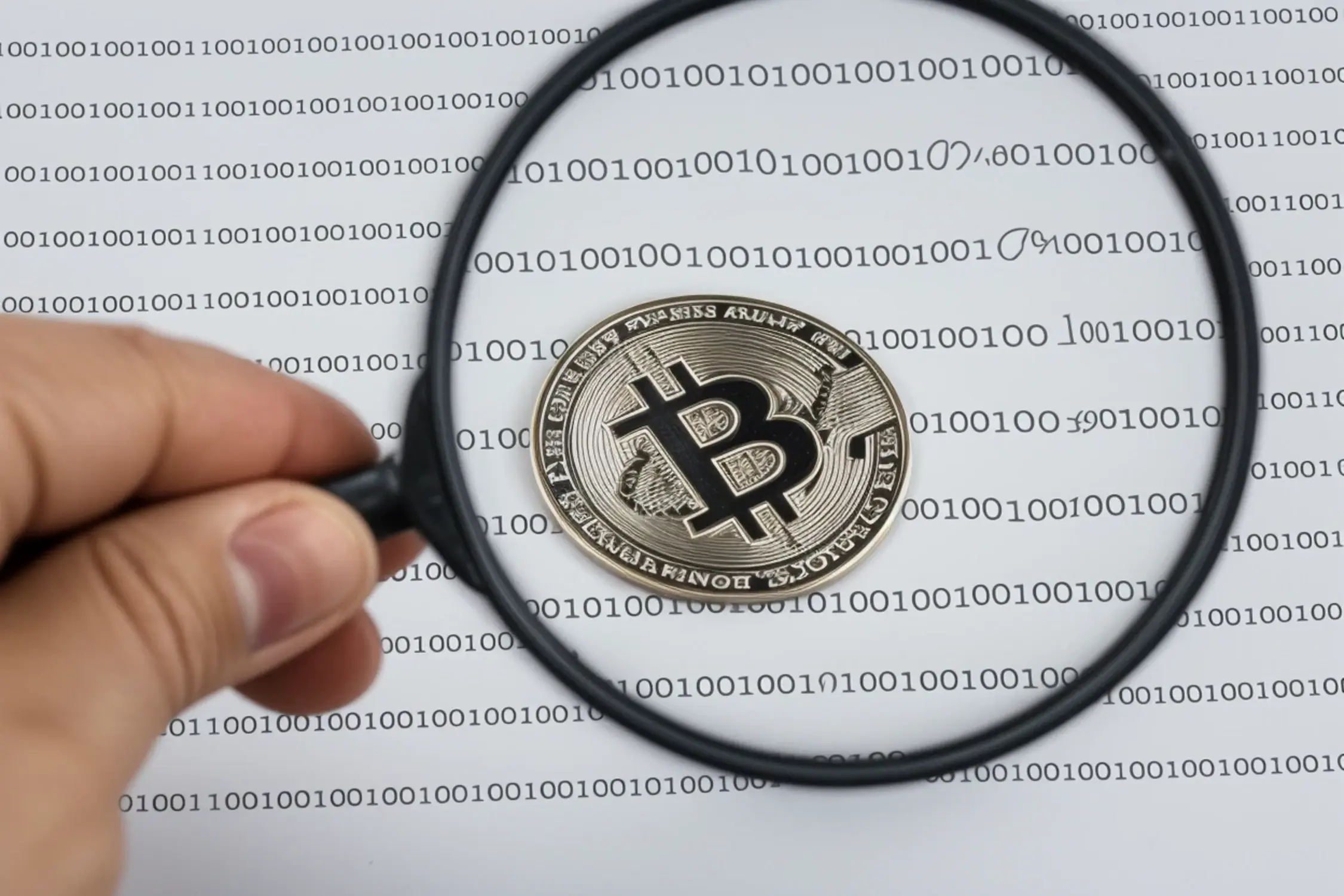
The human consequences of Kwon’s fraudulent actions cannot be overstated. Victims of the TerraUSD collapse faced immense financial hardships, leading to destroyed lives and lost investments. Estimates suggest there may have been over a million victims, which is indicative of the extensive impact of such fraudulent activities on individuals and families alike. The substantial numbers underscore the need for better safeguards to protect investors in the future.
Moreover, the road to recovery for these victims is fraught with challenges. Many are seeking redress and support, prompting discussions on the need for better resources dedicated to consumer education and support networks within the cryptocurrency realm. It is imperative for regulatory bodies to facilitate remedies and protections for those impacted by crypto fraud, fostering an environment of accountability and trust.
Recommendations for Future Action in Crypto Governance
In light of the implications stemming from Kwon’s case, it is crucial for regulatory bodies to take proactive steps to improve oversight within the cryptocurrency sector. Some recommended actions include:
– Establishing rigorous regulatory frameworks aimed at crypto businesses to enhance accountability.
– Implementing best practices for investors, emphasizing awareness and vigilance against potential scams.
– Advocating for more transparent operations among cryptocurrency enterprises to regain consumer trust.
As the industry evolves, fostering a transparent and secure framework for cryptocurrencies is essential. Regulatory actions following Kwon’s sentencing will likely shape the future landscape of crypto governance, highlighting the need for collaborative efforts among all stakeholders.

More Stories
Why India’s Crypto Tax Reform May Change Everything for Traders
The Hidden Truth About U.S. Federal Policies and Bitcoin Confidence
How Policymakers Are Using White House Meetings to Shape Crypto Regulations