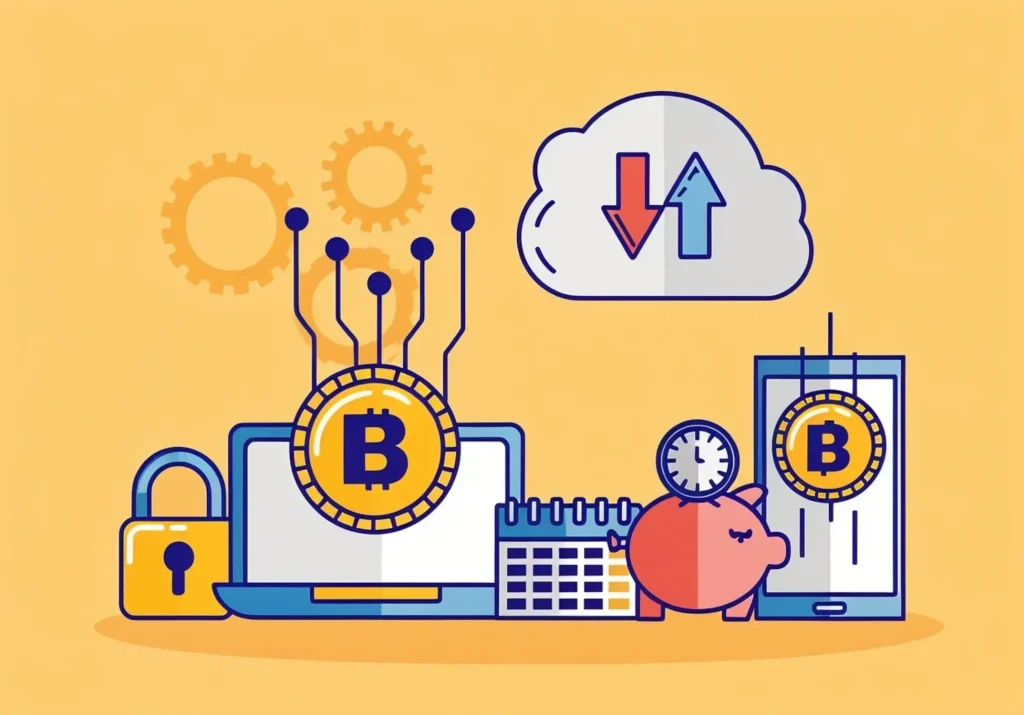
We need to understand the evolving landscape of financial access amidst the rise of blockchain technology, especially in a world where digital transformation is reshaping lending mechanisms. This conversation is pivotal for today’s economic participants seeking inclusivity.
The Significance of Financial Access in Blockchain
Financial access is not merely a convenience; it is a cornerstone of economic stability. Countries with higher levels of financial inclusion generally experience lower poverty rates and more robust economies. Blockchain technology plays a transformative role in enhancing transparency and efficiency in financial transactions, which can expand access to services for underserved populations. According to recent reports, blockchain’s distributed ledger capabilities allow for real-time tracking of transactions, minimizing the chances of fraud and mismanagement, two significant barriers to accessing financial resources.
However, despite its promise, there are still considerable barriers to financial access. These include limited digital literacy, the high cost of initial infrastructure, and a general resistance from traditional financial institutions to adopt these new systems. The challenge lies not just in technology but also in changing mindsets and regulatory frameworks that dictate how financial services can be accessed and utilized.
Current Challenges in Financial Inclusion
Marginalized communities often face distinct challenges in accessing financial resources. Traditional lending mechanisms frequently overlook these groups, driven by outdated models that prefer low-risk profiles typical of established businesses. As outlined by industry experts, factors such as race, gender, and socioeconomic status play pivotal roles in determining the adequacy of financial services provided.
The COVID-19 pandemic has highlighted these disparities further, as low-income households found themselves with even fewer resources. Current mechanisms for lending often fail to accommodate the unique situations of these individuals or small businesses, creating a feedback loop of exclusion. As such, it is crucial to analyze how socio-economic factors shape financial access and consider innovative methods to bridge these gaps.
Transformative Trends in Digital Finance
The integration of blockchain into financial services is redefining how we perceive and interact with money. Recent advances in fintech, driven by blockchain innovation, have been instrumental in democratizing access to financial services. For instance, platforms utilizing blockchain technology can offer lower fees and reduce the barrier to entry for new users.
The pandemic has accelerated the adoption of digital financial services, leading to a significant increase in online transactions. According to sources, fintech has transformed the landscape for small businesses and low-income households by providing tools for better financial management. New players in the fintech ecosystem have emerged, promoting competition and innovation that challenge traditional finance norms. Businesses are leveraging these technologies to engage customers in entirely new ways, enhancing their reach and effectiveness.
Blockchain as a Catalyst for Change
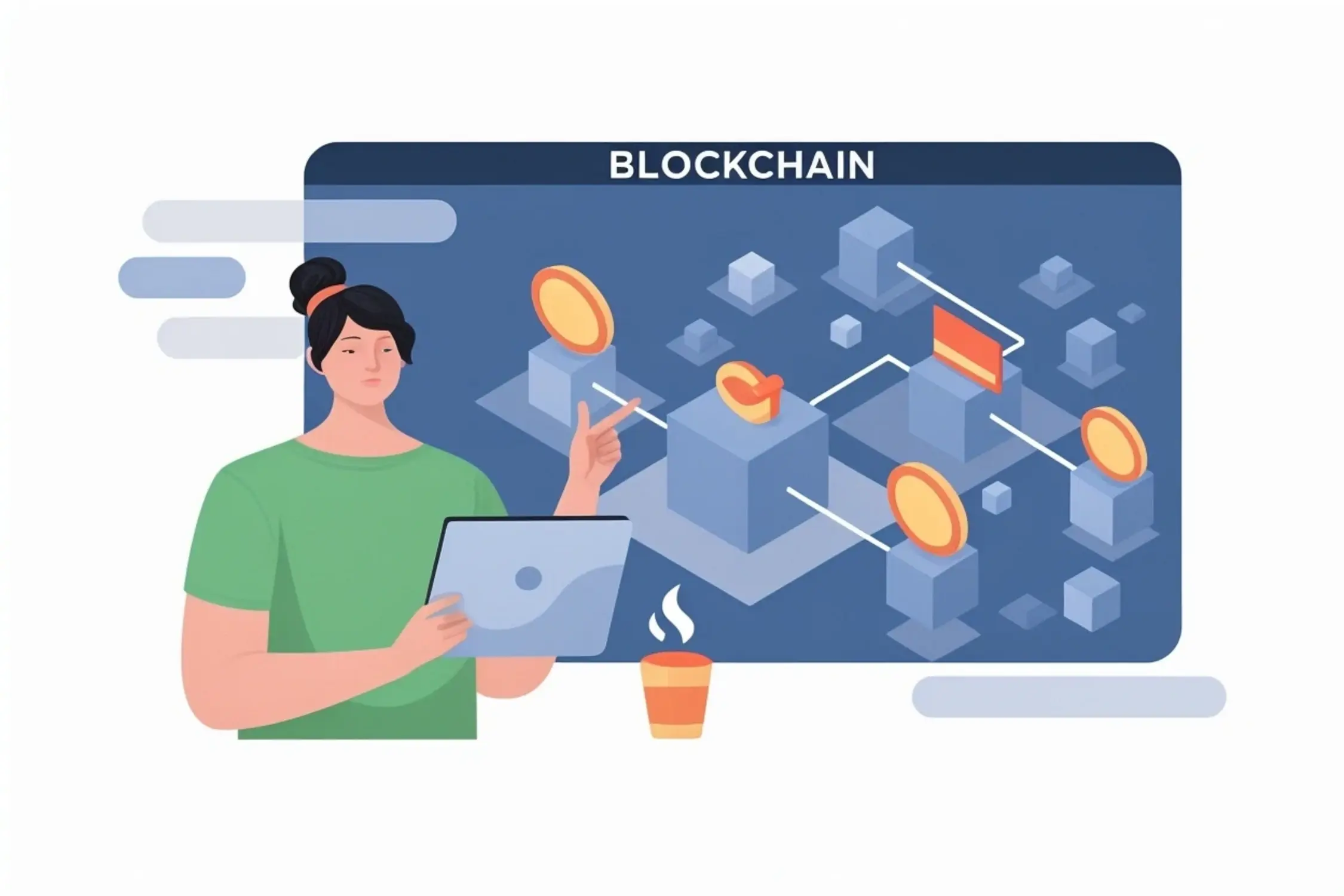
Blockchain holds significant potential to improve access to financial services, serving as a catalyst for change. With its decentralized infrastructure, blockchain can empower individuals by providing them with better control over their financial data. Digital identity verification is one area where blockchain excels, allowing lenders to assess risk more accurately and potentially approve loans for individuals who might otherwise be deemed too high-risk under traditional banking criteria.
Furthermore, blockchain can dramatically lower transaction costs and enhance security. By eliminating intermediaries in transactions, users benefit from faster processing times and reduced fees, thus expanding access. Such innovations pave the way for a more inclusive financial system where individuals have the resources they need to take control of their financial futures.
Policy Implications for Improving Financial Access
The intertwining of blockchain and finance necessitates effective regulatory frameworks that not only promote innovation but also manage associated risks. Policymakers have a critical role to play in supporting a balanced approach that promotes access while maintaining security. According to recent insights, successful initiatives around the world have focused on creating policies that encourage the use of new technologies while also safeguarding consumer interests.
Effective regulation can encourage private and public sector partnerships aimed at enhancing financial inclusion. Collaborative approaches can create environments where innovation thrives and underserved populations can access the resources they need. Policymakers must prioritize inclusivity while carefully navigating the complex landscape of emerging technologies.
Actionable Steps for Individuals and Businesses
Leveraging blockchain for personal finance requires both education and proactive engagement. Individuals can benefit from utilizing fintech tools that simplify budgeting and investing, making use of blockchain’s potential for enhanced transparency. Businesses also hold a key position in the ecosystem by advocating for better financial regulations and engaging with communities to raise awareness about evolving digital solutions.
Community engagement cannot be overlooked. Advocating for improved financial regulations and participating in discussions around financial access can foster greater inclusivity for all. Companies should prioritize establishing partnerships with startups and platforms that focus on financial inclusivity, thereby reinforcing their commitment to creating a broader economic impact.
In conclusion, as the blockchain landscape continues to evolve, understanding its implications for financial access is vital. The journey towards a more inclusive economy hinges on balancing innovation with responsibility and addressing the systemic challenges that persist within the financial system.




More Stories
How Smart Investors Are Using Cathie Wood’s Strategies to Diversify Their Portfolios
5 Predictions About the Future of Bitcoin Crisis That’ll Shock You
Why Blockchain Technology Is About to Revolutionize Digital Payments in Africa