
As the landscape of digital interactions shifts, decentralized gaming economies are emerging as a revolutionary force. By integrating AI, they are changing how we perceive and interact with digital assets, making them more accessible and valuable to a wider audience right now.
The Impact of Pixels on Gaming Economies
Understanding pixels is crucial in the realm of digital asset representation. In gaming, pixels are not just the building blocks of visuals; they symbolize ownership and value in decentralized gaming economies. These pixels have transformed how gamers engage with products, leading to a significant leap towards digital ownership. In decentralized systems, pixelated assets, like skins or characters, have real monetary value as they belong to players rather than centralized platforms. This shift enhances the value of digital objects and underlines the need for a transition from traditional to decentralized gaming frameworks.
Recent trends indicate that decentralization strengthens players’ ability to invest in and monetize their assets. As more players desire ownership, platforms embracing decentralization can offer flexible models that allow gamers to earn from their time and skills. According to Binance, this transformation is not only reshaping player interactions but redefining the entire gaming economy.
Why Decentralization is Essential Right Now
Decentralization brings multiple benefits to gaming environments, enhancing user autonomy and creating fairer economies. In a decentralized gaming model, players gain true ownership of their assets, a stark contrast to traditional systems where game developers hold all rights. This newfound user ownership fosters a sense of community and trust, as gamers feel empowered to trade, sell, or develop their assets collaboratively.
Current examples of successful decentralization transformations are evident in platforms implementing blockchain technology. For instance, games like Axie Infinity showcase how decentralization improves user experiences, allowing players to create, own, and trade in-game assets without centralized authority. As industry experts note, these advancements support greater transparency and security in transactions, further endorsing the vital role of decentralization in contemporary gaming.
Current Trends in Decentralized Gaming
Examining recent developments, decentralized gaming platforms are gaining momentum. The rise of play-to-earn models exemplifies how players can now generate income while engaging with their favorite games. This paradigm shift not only enhances player motivation but also facilitates broader participation in gaming economies. In decentralized gaming environments, players are rewarded not merely for their achievements but also for their contributions to game ecosystems.
These trends significantly reshape user engagement, encouraging more strategic interactions where players actively participate in governance, merchandising, and development. Innovative platforms leveraging these concepts are positioning themselves to tackle not only market demands but also the evolving expectations of a global gaming audience. Players’ feedback and collaborative efforts are transforming conventional practices, delineating a path to a more inclusive gaming landscape.
AI Integration in Gaming Economies
Artificial intelligence (AI) has emerged as a pivotal element in the evolution of decentralized gaming economies. Incorporating AI enhances player experience by providing intelligent systems that adapt to individual preferences, thus creating tailored gameplay. Dynamic digital assets are becoming the norm as AI influences character behavior, game scenarios, and resource allocation.
AI’s role extends beyond mere gameplay; it optimizes economic interactions within these ecosystems. By analyzing player behavior and preferences, AI can facilitate better matchmaking in games while ensuring a balanced economy. As AI-infused platforms evolve, the potential for richer gaming experiences increases, allowing users to engage more deeply with their digital assets and fellow participants in the community.
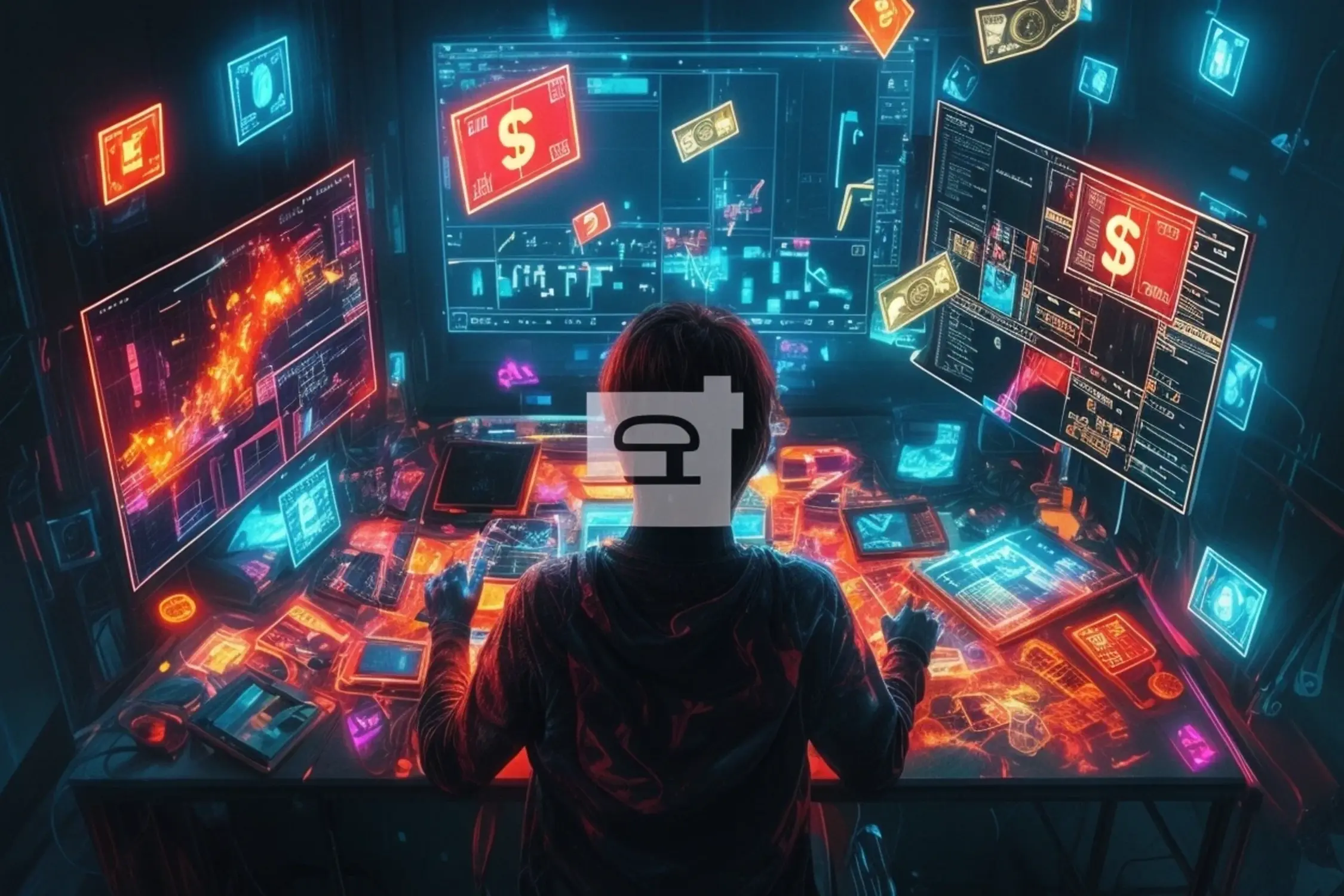
Navigating Challenges in Digital Asset Transformation
Transitioning to decentralized economies is not without its challenges. Players and developers face several hurdles, including regulatory uncertainties, technological limitations, and market volatility. Safeguarding intellectual property and ensuring secure transactions remain top concerns. Moreover, the rapid pace of change can overwhelm traditional developers who may struggle to adapt.
To address these issues, innovative solutions are being proposed. Developers are collaborating on frameworks that ensure smooth integration of decentralization into existing models while prioritizing user security and experience. Investments in education and resources can foster greater understanding and trust among users about the advantages and risks of participating in decentralized gaming.
Steps to Embrace Decentralized Gaming Economies
For players looking to engage with decentralized platforms, practical steps can include researching available decentralized games, participating in community forums, and exploring ways to connect with like-minded individuals. By understanding the nuances of these new ecosystems, gamers can optimize their experiences.
Developers, on the other hand, should focus on integrating decentralized models thoughtfully. Engaging with communities, fostering transparency, and facilitating user feedback will be pivotal for success. Additionally, numerous resources are becoming available for understanding and leveraging digital assets in gaming, encouraging innovative development strategies.
As this transformative era unfolds, keeping pace with the developments in decentralized gaming economies will be crucial for all participants. Advocating for collaborative efforts and understanding the underlying technology will position both players and creators for prosperous futures in these dynamic landscapes.




More Stories
How Investors Are Using Tokenization to Unlock New Opportunities
Why Non-Playable Coin (NPC) Is Facing An Existential Crisis Now
5 Predictions About NPC That’ll Transform Digital Marketplaces in 2024