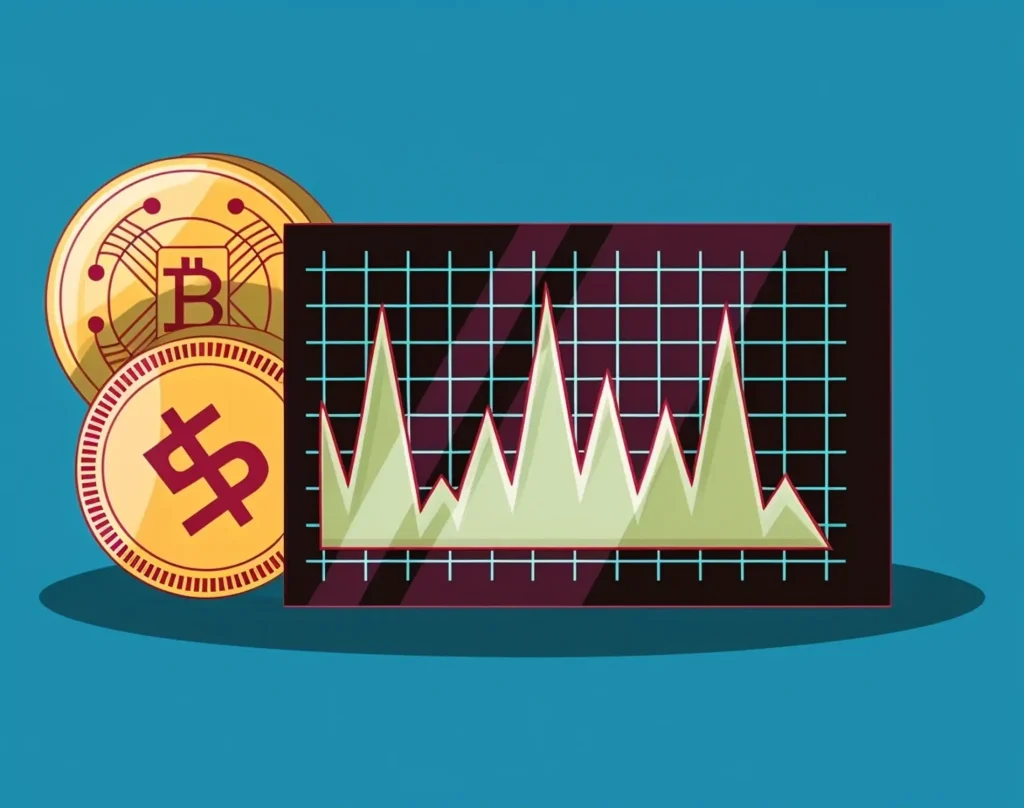
The recent drop in Bitcoin’s price signals a significant shift in the cryptocurrency market, affecting investors and economic indicators alike. Understanding this phenomenon is crucial as it highlights the rise and fall of Bitcoin, impacting investment strategies and market dynamics.
What the Bitcoin Crash Means for Investors
Bitcoin’s recent decline has immediate consequences for both traders and long-term investors. When the price plummeted to $63,000, marking nearly a 50% decrease from its all-time high of $126,000 in October 2025, many investors were left scrambling to assess their positions. This volatility not only affects profit margins but also instills a sense of uncertainty among traders, influencing their decisions on holding or selling assets. As reported by The Guardian, a quick downturn triggers fear and panic among investors, leading to rapid price fluctuations.
Market psychology plays a significant role in how investors react to downturns. Emotion-driven decisions often overshadow rational assessment, as seen during previous Bitcoin crashes. This phenomenon can cause a cascading effect, where the fear of further losses prompts more sell-offs, further lowering the price. Thus, understanding the psychological aspects behind investor behavior during these turbulent times is crucial for anyone navigating the cryptocurrency landscape.
Moreover, in response to this volatility, many investors are reassessing their strategies. Traditional long-term holding practices might shift toward more dynamic methods. As the market evolves, so too must the strategies that investors employ to safeguard their assets.
Economic Indicators Driving Market Changes
Several economic indicators contribute to the fluctuations seen in the cryptocurrency market. Notably, interest rates and inflation rates have a direct correlation with investor sentiment. When traditional markets fluctuate, as evidenced during recent downturns in tech stocks, cryptocurrencies like Bitcoin often react in kind due to their increasing ties to broader economic measures. Analysts suggest that these correlations highlight the cryptocurrency market’s vulnerability to changes in investor confidence, as outlined by CS Monitor.
Additionally, the intertwining nature of digital and fiat currencies means that economic shifts can resonate widely. For instance, positive news in traditional markets can lead to increased investment in cryptocurrencies as investors seek higher-risk, higher-reward options. Conversely, economic uncertainty tends to push investors back toward safer assets, further contributing to Bitcoin’s price volatility. Understanding these economic forces is essential for managing risk in the unpredictable world of cryptocurrency.
Present State of the Cryptocurrency Market
The current trends in the cryptocurrency market reveal a landscape fraught with volatility. Following Bitcoin’s sharp decline, the market as a whole has lost approximately $2 trillion since early October 2025. This significant loss raises questions about the sustainability of cryptocurrency as a reliable investment, particularly in an era where regulatory scrutiny is increasing. The impact of such collective loss can be profound, affecting not only individual investors but also large corporations that have heavily invested in Bitcoin.
Furthermore, regulatory responses to these fluctuations are becoming more prominent. Governments and agencies worldwide are starting to take a keener interest in the cryptocurrency sector. With rising concerns about the stability of digital currencies, investors may find themselves navigating a landscape of tighter legal frameworks and increased oversight, as highlighted by industry observes.
Volatility Factors in the Rise and Fall of Bitcoin
Speculative trading practices significantly contribute to Bitcoin’s enduring instability. Traders often view Bitcoin as a high-risk asset, leading to unpredictable price swings driven by market sentiment rather than fundamental value. Historical patterns indicate that such volatility is a recurring theme, where hype and speculation can drive prices to unsustainable levels before eventually crashing.
External factors, such as global economic trends and geopolitical events, also play crucial roles in these fluctuations. For instance, conflicts or economic crises often prompt shifts in investor behavior, leading to rapid changes in cryptocurrency value. By examining these influencing factors, investors can better prepare for the anxiety that accompanies market instability as they participate in this fast-paced environment.

Lessons from the Drop in Bitcoin’s Value
Industry analysts emphasize several key lessons following Bitcoin’s depreciation. First, understanding the importance of risk management during periods of market turbulence can help investors avoid severe losses. Techniques like stop-loss orders can protect against drastic price drops, providing a safety net during uncertain times. Additionally, prospective Bitcoin investors are encouraged to consider long-term strategies, despite the temptations of immediate returns.
In volatile markets, maintaining a long-term perspective can help navigate the emotional rollercoaster that often accompanies investing in cryptocurrencies. Adopting a mindset focused on future growth rather than short-term fluctuations can enhance decision-making and reduce stress.
Adapting to Future Market Changes
In light of continuous market shifts, investors must develop actionable strategies to remain resilient. One key approach is diversification. By spreading investments across a range of assets, from cryptocurrencies to traditional stocks and bonds, investors can mitigate risk and reduce the impact of any single asset’s decline. Moreover, staying informed through continuous education about cryptocurrency and market dynamics can empower investors to make informed decisions while navigating uncertainty.
Ultimately, the rise and fall of Bitcoin remind us of the broader lessons regarding investment in volatile markets. As circumstances change, adaptability and a well-informed approach could be vital in ensuring long-term success in managing investments.



More Stories
Why Bitcoin Price Drops Are Transforming the Global Economy
The Hidden Truth About Bitcoin Price Correlation and Economic Trends
The Hidden Truth About Bitcoin’s ‘Death Spiral’ and Its Impacts