
In 2026, the cryptocurrency market demonstrates intriguing stability, inviting serious consideration from investors and enthusiasts alike. The intertwined dynamics of Bitcoin and evolving cryptocurrency trends such as decentralized finance are reshaping the landscape, suggesting now is the time for informed engagement with these developments.
Economic Forces Behind Cryptocurrency Trends in 2026
The economic forces influencing Bitcoin’s market behavior are complex yet fascinating. Institutional investment has become a cornerstone in this dynamic market. Recent reports indicate that banking giants are increasingly incorporating cryptocurrencies into their portfolios, suggesting a growing trust in digital assets as a form of investment. Firms like JPMorgan and BlackRock have taken significant steps in embracing cryptocurrencies, leading to enhanced market stability (Fortune).
Moreover, global economic conditions, impacted by inflation and shifting monetary policies, are also driving crypto trading strategies. As traditional currencies fluctuate, many investors are turning to Bitcoin as a safer haven. This shift underscores Bitcoin’s role not only as a speculative asset but also as a potential store of value, paralleling gold in its early days of adoption. Historical comparisons reveal that such behavior typically occurs during economic uncertainty, echoing trends from past financial crises. In essence, understanding these economic factors is key to navigating the evolving cryptocurrency landscape.
Bitcoin’s Position in the 2026 Market
Examining Bitcoin’s role within the broader cryptocurrency trends in 2026 reveals crucial insights about market confidence. Over the past few years, Bitcoin has consistently outperformed other cryptocurrencies, reinforcing its status as a market leader. Price fluctuations, often attributed to regulatory news or technological advancements, have created a volatile atmosphere. However, recent stability indicates a strengthening consumer and investor confidence in Bitcoin’s long-term prospects, as noted by market analysts (Kitco).
When we examine Bitcoin’s position through historical lenses, we see a pattern: after significant dips, the asset tends to recover, suggesting a resilient market psychology among investors. Although some analysts remain skeptical about a potential market crash akin to those experienced in previous cycles, the general sentiment among traders leans toward cautious optimism. As we approach mid-2026, the question remains whether Bitcoin can maintain its position amid emerging competitors in the crypto space.
Dynamics of Blockchain Technology
Innovations in blockchain technology are pivotal in shaping market stability and investor trust. With recent advancements, blockchain has enhanced transaction security and efficiency, crucial elements for mainstream adoption. This growing robustness enables not only Bitcoin transactions but also supports a wide array of decentralized applications that bolster the entire cryptocurrency ecosystem.
The significance of these advancements cannot be understated. The blockchain’s transparency and immutability reinforce trust in cryptocurrency trading, addressing longstanding concerns about fraud and security breaches. Examples include immutable transaction records that deter malicious activities, thereby fostering a safer investing environment. Looking ahead, as blockchain technology continues to evolve, we may witness a new wave of innovations leading to further market stability and increased adoption rates. This progress will not only impact Bitcoin but the cryptocurrency landscape as a whole.
Growth of Decentralized Finance Solutions
The rise of decentralized finance (DeFi) has transformed the landscape of cryptocurrencies significantly. DeFi offers innovation by allowing users to trade assets, borrow funds, and earn interest without intermediaries. This shift away from traditional finance has attracted significant attention, particularly from younger, tech-savvy investors looking for alternatives to conventional banking systems. Key players like Hyperliquid and Maple Finance are spearheading this revolution, fostering competition and driving down costs (Fortune).
These platforms emphasize the growing need for transparency and accessibility in finance. Predictions suggest that as DeFi services gain traction, they may reshape Bitcoin trading, potentially offering new methods for leveraging the asset. Furthermore, with the increasing incorporation of DeFi into corporate strategies, traditional institutions may find themselves adapting to coexist with these decentralized systems.
Market Predictions and Trading Strategies
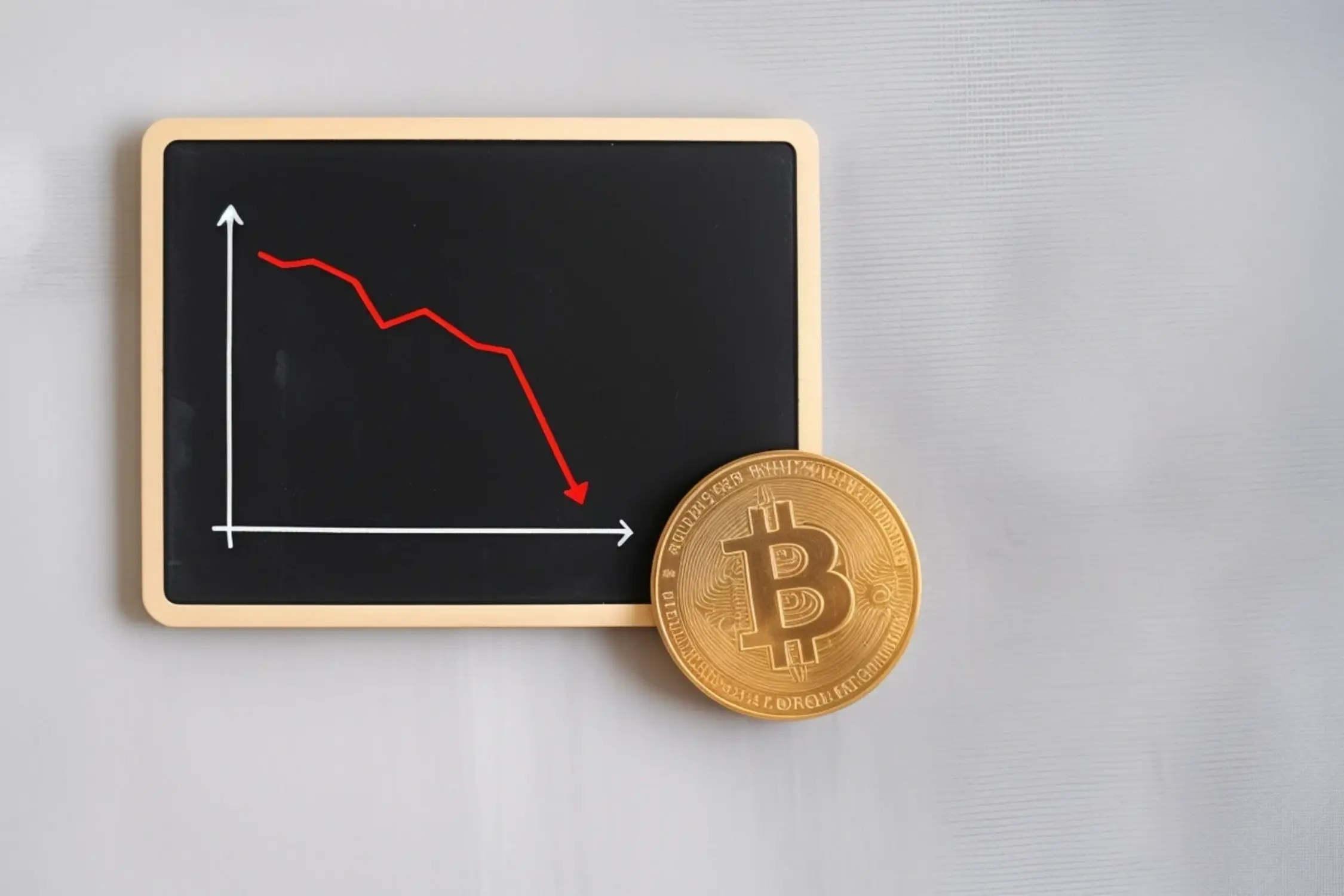
Market predictions for cryptocurrency trends in 2026 highlight unique trading strategies amidst evolving conditions. As traders become savvy in utilizing tools for risk management, their approaches to crypto investments adapt accordingly. Current strategies focus on leveraging market data analytics to time trades more effectively and understanding market sentiment through social media and news reports.
Volatility remains a clear characteristic of the crypto market; however, investors have started employing techniques that mitigate risks. This includes diversifying portfolios and using stop-loss orders to safeguard against sudden dips. Predictions suggest that as more institutional money flows into Bitcoin and a broader acceptance of cryptocurrencies grows, traders may find exciting possibilities awaiting them (ETFDB). Investors should remain vigilant, adapting to the market’s rhythm while keeping an eye on developments that could affect values.
Engaging with Cryptocurrency: Steps Forward
Taking practical steps is essential for individuals navigating the cryptocurrency landscape. First, thorough research is crucial before engaging in crypto trading. With the ever-changing dynamics of the market, understanding the essentials of blockchain technology and the underlying mechanics of trading can significantly enhance one’s proficiency.
Additionally, utilizing resources such as industry reports, educational webinars, and following reputable news sources can provide a comprehensive understanding of market behaviors. Engaging in community discussions and joining cryptocurrency forums can also offer insights drawn from collective experiences. Empowered with knowledge and a clear strategy, investors can confidently navigate the thrilling yet volatile world of cryptocurrency.
In conclusion, understanding the intricate dynamics of Bitcoin and the broader cryptocurrency landscape is vital for making informed decisions in 2026. By embracing the evolving trends while remaining cautious, investors stand to benefit from this revolution in finance.




More Stories
The Hidden Truth About Delphi Digital’s Predictions for 2024
How Financial Institutions Are Using Delfi’s AI to Mitigate Market Volatility
How Traders Are Using DeltaFi to Navigate Cryptocurrency Challenges