
The U.S. economy is on the cusp of a groundbreaking transformation, largely influenced by the growing prominence of Bitcoin. As we delve into the dynamics of Bitcoin vs U.S. Dollar, it becomes evident that this digital currency possesses the potential to radically alter our financial landscape. Traditional concepts of currency, economic stability, and investment strategies are all at the brink of evolution, driven by the decentralized nature and innovative attributes of cryptocurrency.
Bitcoin vs U.S. Dollar: A Race for Dominance
The competition between Bitcoin and traditional currencies, particularly the U.S. dollar, is intensifying. Increasingly, Bitcoin is being viewed as a viable alternative to fiat currencies, with analysts suggesting that it may soon challenge the dollar’s long-standing supremacy. Major economists, including those featured in recent discussions, argue that Bitcoin’s decentralized framework provides unique advantages that are appealing in our digital age.
Moreover, the rise of Bitcoin is not only about investor interest; it’s also about how other countries perceive and accept various currencies. In fact, nations are now exploring ways to incorporate cryptocurrencies into their economic systems, signaling a shift in global currency dynamics. As Bitcoin gains traction as a form of digital currency accepted in transactions, the traditional dominance of the U.S. dollar in global trade could be at risk.
The Importance of Understanding Cryptocurrency Trends
In today’s fast-paced economy, the rise of cryptocurrencies has generated significant attention. Several trends indicate that cryptocurrency could become a cornerstone of financial systems worldwide. Stablecoins, a type of cryptocurrency pegged to traditional currencies, may offer new avenues for stability in an otherwise volatile market. According to industry reports, regulatory bodies are beginning to study stablecoins more closely, recognizing their potential role in bolstering financial systems.
Additionally, it’s essential to navigate the complicated regulatory frameworks surrounding digital currencies. As these regulations evolve, they will play a pivotal role in determining how Bitcoin and other cryptocurrencies can coexist alongside fiat currencies like the U.S. dollar.
Current Economic Landscape and Digital Currency Adoption
As businesses increasingly adopt digital currency, the landscape of modern commerce is evolving. Many firms are now integrating Bitcoin and other cryptocurrencies into their payment systems. This integration is driven by the rising demand for diverse payment methods that cater to a tech-savvy consumer base. Data indicates that consumers are becoming more receptive to alternatives like Bitcoin and stablecoins, further indicating a shift away from traditional payment methods.
Furthermore, as businesses begin to accept digital currency, a greater understanding of consumer attitudes is emerging. Surveys reveal a growing interest among consumers not only in Bitcoin but in the broad spectrum of digital currencies that promise quicker and potentially cheaper transactions.
Why Bitcoin is Gaining Popularity among Investors
Investors are shifting their behaviors significantly, showing a marked preference for Bitcoin amid economic uncertainty. This trend can partly be attributed to Bitcoin’s reputation as a hedge against inflation. Investors are increasingly viewing Bitcoin as a safe haven asset, akin to gold, particularly during periods of financial instability. The rise in inflation rates has prompted many to consider Bitcoin a strategic long-term investment that may retain its value better than traditional currencies.
The increasing popularity of Bitcoin is reshaping investment portfolios, leaving traditional assets to compete with this emerging digital alternative. As a result, more individuals are exploring how they can incorporate Bitcoin into their financial strategies, reflecting a broad societal shift in investment mentality.
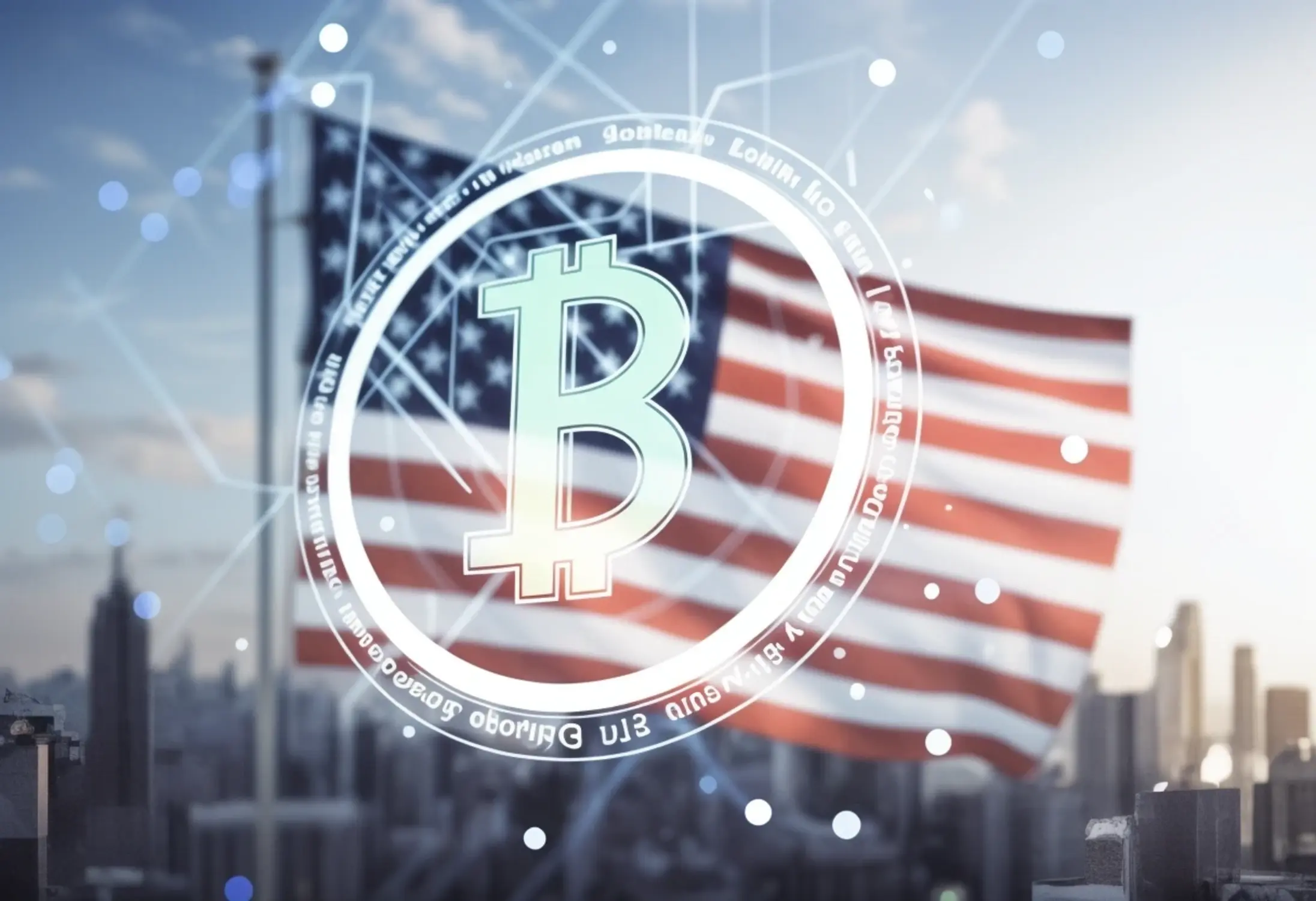
The Future of the U.S. Dollar: Threats from Bitcoin?
The implications of Bitcoin’s ascent extend beyond market competition; they pose significant questions regarding the future of the U.S. dollar. Analysts are busy investigating how Bitcoin could potentially threaten the dollar’s established status. The discussion includes essential debates on regulatory measures that will shape the landscape of currency use in the years to come. As the discourse unfolds, numerous scenarios emerge concerning how Bitcoin and the U.S. dollar could coexist or even compete head-to-head.
Some experts argue that a targeted regulatory framework could allow both Bitcoin and traditional currencies to flourish. This coexistence might lead to enhanced financial systems where digital currencies complement rather than entirely replace traditional fiat currencies. However, the ongoing conversation about Bitcoin’s legitimacy as a currency and its regulatory environment continues to evolve, keeping the debate lively.
Strategies for Embracing Digital Currencies
For businesses looking to adapt to the rise of digital currency, several strategies can be effective. First, understanding the implications of Bitcoin and other cryptocurrencies on transactions is vital. Businesses should consider integrating these payment options into their models to cater to changing consumer preferences.
Individuals interested in cryptocurrency investment should take practical steps to educate themselves about market trends and risks. A strong foundational knowledge will empower them to navigate the often volatile world of digital currencies successfully. Given the rapid progression of technology, fostering education on digital currency adoption will be crucial in understanding the future of finance.
Overall, Bitcoin’s transformative potential presents a crucial moment for re-evaluating how we see the economy and payment systems. The convergence of economic trends, consumer behavior, and technological advances signals that we might be on the brink of a new financial era driven by the rise of digital currencies.



More Stories
Why Quantum Computing Could Disrupt Crypto Security Forever
Why Prediction Markets Are Set to Transform the Crypto Economy
Why the U.S. Dollar’s Overvaluation Will Disrupt Global Markets