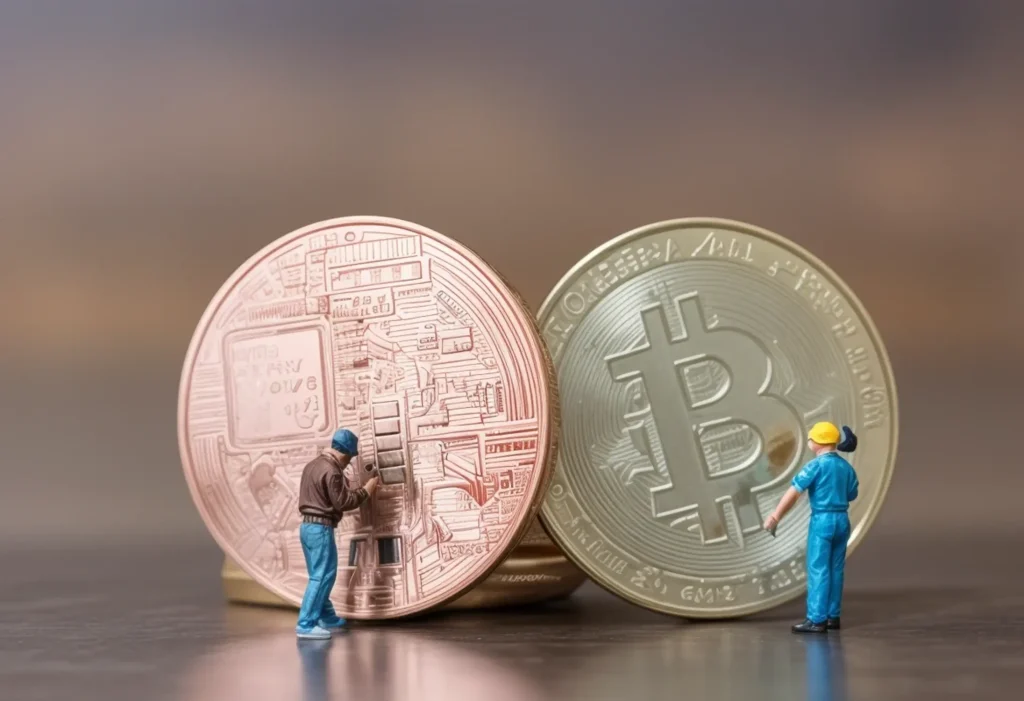
As economic turmoil escalates in Iran, citizens are increasingly turning to decentralized finance to preserve their purchasing power against rampant inflation. This shift highlights not only a survival strategy but also the burgeoning role of crypto adoption in emerging markets.
Urgent Economic Crisis Driving Crypto Adoption
Iran is currently grappling with a crippling economic instability, exacerbated by international sanctions and poor fiscal management. The Iranian rial has witnessed a dramatic devaluation against the US dollar, which has made it increasingly difficult for citizens to afford basic necessities. As inflation runs rampant, officially stated at 42.5% as of December 2025, many Iranians find that their savings are rapidly eroding. In response, there is a marked shift towards alternative financial solutions, notably decentralized finance (DeFi), to maintain purchasing power.
Crypto adoption is surging in Iran as individuals seek refuge from the volatility of the rial. Many are turning to cryptocurrencies like Bitcoin, which allow them not only to store value but also to conduct transactions beyond the reach of government oversight and hyperinflation. This trend is not merely a reflection of personal financial strategies but serves as a broader commentary on state failures in managing economic affairs. Citizens want options and DeFi presents a pathway to regain some semblance of financial control.
Decentralized Financial Systems in Iran
The introduction of decentralized finance is significantly altering traditional banking paradigms within the country. By decentralizing financial operations, citizens are empowered to manage their assets independently, minimizing their reliance on the state-controlled banking system. In this climate, cryptocurrencies are becoming synonymous with financial autonomy.
Various key players are emerging in Iran’s crypto ecosystem. The number of exchanges and wallets available is increasing, providing citizens with more options for managing their digital assets. Notably, organizations such as the Islamic Revolutionary Guard Corps (IRGC) have also started participating in crypto transactions. As reported by Chainalysis, the Iranian crypto landscape processed over $7.78 billion in activity in 2025, indicating substantial citizen investment in decentralized financial systems.
Emergence of Bitcoin as a Safe Haven
Bitcoin is increasingly recognized as a safe haven asset for many Iranians. In the face of inflation and economic uncertainty, citizens are turning to Bitcoin to safeguard their wealth. This cryptocurrency enables users to bypass existing restrictions associated with traditional financial systems, particularly as trading platforms in fiat currencies become less stable.
Many people are now viewing digital currencies in a new light. They are no longer just speculative assets but essential tools for financial resilience. Individuals can transfer assets quickly and securely, regardless of the deteriorating economic environment. With the Iranian rial losing nearly half its value against the dollar, citizens are compelled to adopt Bitcoin as a necessary strategy to navigate these turbulent economic waters.
Impact of Inflation on Daily Life
The effects of inflation on the daily lives of Iranian citizens are stark and troubling. Reports indicate severe hardships, with daily essentials becoming increasingly unattainable for the average person. Stories abound of families struggling to adapt, where reliable purchasing power has become a distant memory.
For instance, individuals turning to cryptocurrency for survival often cite personal anecdotes of successfully making transactions that shield them from imminent financial collapse. The psychological toll of hyperinflation cannot be underestimated—people live in constant fear of losing even the values saved from previous earnings. The use of cryptocurrencies gives them a sense of agency and control that is sorely lacking in conventional banking systems.

The Role of Decentralized Finance in Emerging Markets
Iran’s situation is not unique; it mirrors challenges faced by other emerging economies. The growing adoption of decentralized systems in these markets showcases the potential benefits of financial inclusion. Countries with unstable currencies often see a rise in crypto adoption as citizens search for ways to secure their wealth.
Moreover, the advent of decentralized finance holds the promise of reshaping economies. It democratizes access to finance, allowing individuals without bank accounts to engage in the global market. By leveraging Blockchain technology, these solutions not only offer protection against local inflation but also promote empowerment through financial literacy and autonomy.
Future Financial Solutions for an Uncertain Tomorrow
Expert opinions on the sustainability of crypto adoption in Iran emphasize that while it presents challenges, it also opens doors to new possibilities. As economic conditions remain volatile, the appeal of decentralized finance will likely continue to grow, potentially leading to wider crypto adoption across various sectors.
Analysts suggest that for individuals in similar economic situations, understanding how to navigate and utilize decentralized financial systems could be vital to their economic survival. Education about cryptocurrencies and best practices for investment will be critical to ensure sustainability and resilience in the face of uncertainty.
Transformative Economic Strategies Through Crypto
Iran’s experiences with crypto adoption showcase innovative strategies toward economic self-sufficiency. Other nations facing similar economic disasters might glean valuable lessons from Iran’s robust crypto movement. As decentralized finance continues to evolve, it could redefine traditional economic strategies by giving individuals tools to manage financial crises effectively.
In conclusion, the situation in Iran exemplifies how decentralized finance can emerge as a transformative force in response to dire economic conditions. The role of cryptocurrencies is evolving, indicating a significant paradigm shift in how individuals view and interact with their finances in turbulent times.



More Stories
How Smart Investors Are Using Cathie Wood’s Strategies to Diversify Their Portfolios
5 Predictions About the Future of Bitcoin Crisis That’ll Shock You
Why Blockchain Technology Is About to Revolutionize Digital Payments in Africa